Wild camping — sleeping out in the landscape with nothing but a tent, a sleeping bag, and the sky above — is one of the most rewarding outdoor experiences available in Britain. It’s also one of the most misunderstood. Ask ten people about the legality of wild camping in the UK and you’ll get ten different answers, most of them wrong. We’ve spent dozens of nights wild camping across Scotland, the Lake District, and Snowdonia, and can separate the myths from the reality. This guide cuts through the confusion with a clear, practical breakdown of where you can legally wild camp, how to do it responsibly, and what gear and skills you need to make it enjoyable rather than endurable.
The Legal Position: Where Can You Wild Camp in the UK?
The legal situation around wild camping in the UK is genuinely complicated, varying notably between the four nations. Understanding these differences isn’t just academic — it affects where you can camp, how you should behave, and what consequences you might face if you get it wrong.
Scotland: The Gold Standard
Scotland is, under the Scottish Outdoor Access Code, the only part of the UK where wild camping is a clear, codified legal right. The Land Reform (Scotland) Act 2003 established a right of responsible access to most land and inland water, and this explicitly includes wild camping. The Scottish Outdoor Access Code provides detailed guidance on exercising this right responsibly.
However, this right comes with important caveats. You must camp responsibly — which means using lightweight tents, staying no more than two or three nights in one spot, leaving no trace, and avoiding enclosed fields with crops or livestock. There are also specific seasonal bylaws in place for parts of Loch Lomond and the Trossachs National Park (from March to September) that require permits for camping in designated zones. These were introduced after years of problems with litter, fire damage, and antisocial behaviour, and they’re strictly enforced.
The key principles for legal wild camping in Scotland:
- Camp on unenclosed land — open hillsides, moorland, and woodland are generally fine; avoid fields with crops, livestock, or near farm buildings
- Keep groups small — the access rights are designed for individuals and small groups, not large parties
- Stay no more than 2-3 nights — longer stays begin to look like encampments rather than wild camping
- Pitch late, leave early — arriving after 7pm and departing before 10am minimises your impact and visibility
- Check for local bylaws — particularly around Loch Lomond and popular Highland spots where seasonal restrictions apply
England and Wales: The Grey Area
In England and Wales, wild camping is technically illegal without the landowner’s permission. Under the Countryside and Rights of Way Act 2000, the right to roam covers walking across open access land but does not extend to camping on it. Pitching a tent without permission is technically trespass — a civil matter, not a criminal one, meaning you can be asked to leave but not arrested simply for camping.
The practical reality, however, is more nuanced. Dartmoor was the great exception — wild camping had been practised there for decades and was considered a legal right under the Dartmoor Commons Act 1985. In 2023, a court ruling (Darwall v Dartmoor National Park Authority) challenged this, leading to a legal battle that has reshaped the conversation. As of 2026, limited wild camping rights on Dartmoor have been partially restored through new bylaws, but with specific designated areas and conditions. Always check the latest Dartmoor National Park Authority guidance before planning a trip.
Elsewhere in England and Wales, many wild campers follow an unwritten code: camp high, camp discreetly, leave no trace, and move on. In practice, responsible wild camping in mountain areas of Snowdonia, the Lake District, and the Brecon Beacons is widely tolerated and rarely challenged. But “tolerated” is not the same as “legal,” and you should be prepared to move on politely if asked by a landowner or their representative.
Northern Ireland
Wild camping in Northern Ireland exists in a similar legal grey area to England and Wales. There’s no specific right to wild camp, and technically you need landowner permission. The Access to the Countryside (Northern Ireland) Order 1983 provides some access rights but doesn’t explicitly cover camping. In practice, discreet wild camping in the Mourne Mountains and other remote areas is common and rarely challenged, but it’s worth being aware of the legal position.
Choosing Your Wild Camp Spot
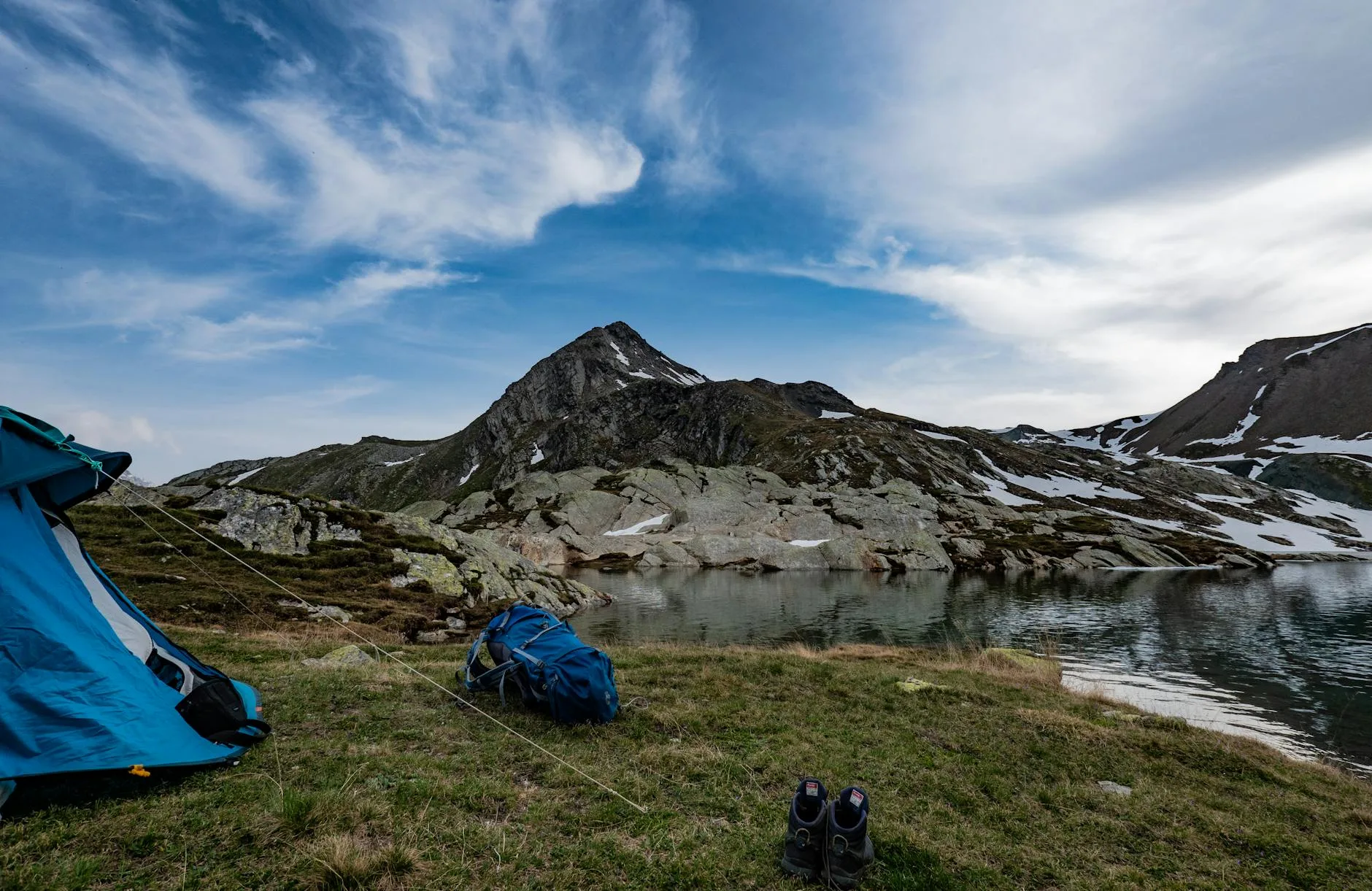
The difference between a memorable wild camp and a miserable one often comes down to site selection. Finding the right spot is a skill that improves with experience, but these principles will serve you well from the start.
The ideal wild camp spot has several characteristics:
- Flat ground — even a slight slope becomes deeply annoying when you’re trying to sleep; look for natural platforms and level areas
- Natural shelter from wind — behind a wall, below a ridge line, or in a slight depression; but not so sheltered that cold air pools (valley bottoms can be surprisingly cold)
- Away from water sources — camp at least 30 metres from streams and lakes to protect water quality and avoid rising water levels
- Good drainage — avoid hollows and boggy ground; gently elevated spots drain better and stay drier
- Out of sight — both for your own peace and for the sake of the landscape; other people shouldn’t have to look at your tent
- Access to water nearby — not right beside it, but within reasonable walking distance for cooking and drinking
Use Ordnance Survey maps (1:25,000 scale) to identify potential spots before you go. Look for contour patterns that suggest small plateaus or sheltered areas. The OS Maps app is invaluable for this — you can study the terrain in detail and save offline maps for areas without signal. Harvey maps are another excellent option for mountain areas, with their waterproof paper and clear trail markings.
Essential Gear for Wild Camping
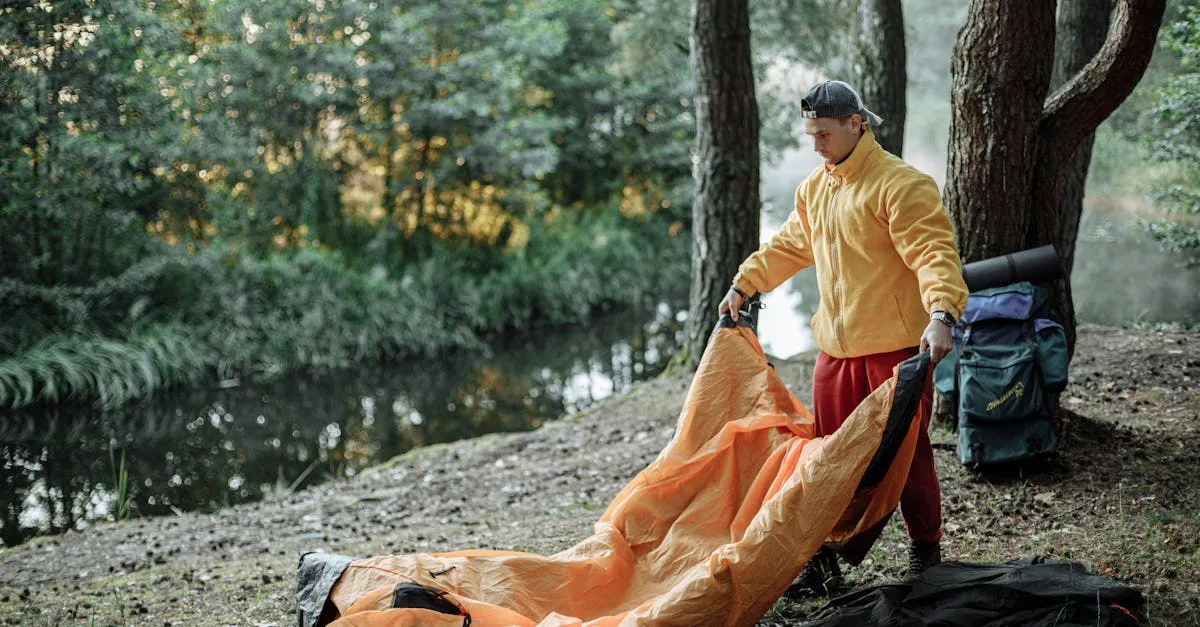
Wild camping gear needs to be lightweight enough to carry comfortably, durable enough to handle rough terrain and weather, and functional enough to keep you safe and comfortable in remote locations. Here’s what you actually need — and what you can leave at home.
Shelter
Your tent is the most important piece of wild camping kit. For UK wild camping specifically, look for something that weighs under 2kg (for solo) or under 2.5kg (for two people), handles wind well, and has a low visual profile. Green or grey colours are better than bright orange for blending into the landscape.
Top choices include the Terra Nova Laser Compact 2, the MSR Hubba Hubba NX, and the Hilleberg Akto for solo campers. Bivvy bags are an alternative for the truly minimalist — the Alpkit Hunka is a solid budget option, or the Rab Ridge Raider for something more weatherproof. Tarps combined with bivvy bags offer versatility but require more skill to use effectively in bad weather. For a related angle, see our Best Portable Water Filters 2026 UK: Hiking & Wild Camping guide.
Sleep System
A good sleeping bag and sleeping mat are essential for comfort and safety. In the UK, a three-season sleeping bag (comfort rating around 0°C to -5°C) covers most conditions from March to October. Down bags offer the best warmth-to-weight ratio but lose insulation when wet — synthetic bags are heavier but retain warmth when damp, which is worth considering in the UK’s humid climate.
For sleeping mats, the choice is between foam, self-inflating, and air mats. Each has its merits:
- Foam mats (e.g., Therm-a-Rest Z Lite Sol) — virtually indestructible, lightweight, and cheap; but bulky and offer limited comfort and insulation
- Self-inflating mats (e.g., Sea to Summit Comfort Light SI) — good balance of comfort, insulation, and pack size; some puncture risk but generally reliable
- Air mats (e.g., Therm-a-Rest NeoAir XTherm) — best comfort and insulation-to-weight ratio; most expensive and vulnerable to punctures, but modern designs are surprisingly durable
Cooking
A lightweight stove, a pot, and fuel are all you need. The Jetboil Flash is the popular choice for its speed and fuel efficiency, but a simple screw-on canister stove like the MSR PocketRocket or Alpkit Brukit does the same job at a fraction of the price. Bring more gas than you think you’ll need — there’s nothing worse than running out of fuel with a day still to go.
For food, dehydrated meals have improved enormously in recent years. Firepot meals (made in Devon) are really tasty and use real ingredients — a far cry from the chalky, flavourless options of a decade ago. But some couscous, a stock cube, and whatever fresh veg you can carry will taste better than most pre-made options after a long day on the hills.
Navigation and Safety
Wild camping often means remote locations where mobile signal is patchy at best. Reliable navigation is non-negotiable:
- OS map and compass — the baseline; batteries don’t die and signals don’t drop out; learn to use them properly before relying on them
- GPS device or phone with offline maps — OS Maps, ViewRanger, or Komoot all offer offline capability; carry a power bank
- Head torch with spare batteries — preferably with a red light mode to preserve night vision
- First aid kit — basic supplies including blister plasters, painkillers, antiseptic, and any personal medications
- Emergency shelter — a lightweight survival bag or group shelter as backup; weighs almost nothing and could save your life
- Whistle — the international distress signal is six blasts per minute; most rucksacks have one built into the chest strap
Leave No Trace: The Non-Negotiable Principles
Wild camping only works if people do it responsibly. The Leave No Trace principles aren’t just nice ideas — they’re the foundation that keeps wild camping possible and prevents the kind of damage that leads to access restrictions and bylaws. Every irresponsible camper makes it harder for everyone else.
- Carry out all litter — everything you bring in, you take out, including food waste; orange peel and banana skins take months to decompose and are not “biodegradable” in any meaningful timeframe
- No campfires — open fires cause lasting damage to vegetation and soil, and are a significant wildfire risk in the UK’s increasingly dry summers; use a stove instead
- Human waste management — dig a cathole at least 15cm deep, at least 30 metres from water, paths, and your camp; cover it properly when done; carry out toilet paper in a bag or use natural alternatives
- Minimise ground impact — don’t dig drainage channels, move rocks, or cut vegetation; camp on durable surfaces where possible
- Leave your pitch as you found it — scatter any flattened grass, remove every trace of your stay; the next person to walk past should have no idea you were there
- Respect wildlife — keep noise to a minimum, especially at dawn and dusk; don’t disturb nesting birds or approach wild animals
Best Wild Camping Locations in the UK
The UK offers an extraordinary range of wild camping landscapes, from remote Scottish mountains to rolling English moorland. Here are some of the best areas to explore, each with its own character and challenges. Our Best Tents 2026: Family, Backpacking & Wild Camping UK guide is useful alongside this.
Scottish Highlands
The Highlands are the spiritual home of UK wild camping. The combination of legal access rights, vast wilderness, and stunning scenery makes this the go-to destination for many wild campers. Glen Affric is often cited as the most beautiful glen in Scotland, and with good reason — lochs, ancient Caledonian pine forest, and mountain ridges provide endless camping options. The Knoydart Peninsula, accessible only by boat or a long walk, offers some of the most remote camping in Britain.
Be aware that the Scottish Highlands are also home to the midge — tiny biting insects that appear in vast numbers from June to September, particularly in still, humid conditions near water. A midge head net (Lifesystems make good ones) is essential summer kit, and Smidge or Avon Skin So Soft are the most effective repellents. Camping on exposed, breezy ridges avoids the worst of them.
Lake District
The Lake District offers spectacular mountain wild camping, with the caveat that you need to camp considerately as it’s technically without explicit legal permission. The fell tops and high tarns are the classic locations — camping beside Red Tarn beneath Helvellyn, or on the shores of Sprinkling Tarn below Great End, are experiences that stay with you. Stick to higher ground (above the last wall or fence), camp discreetly, and follow Leave No Trace principles rigorously.
Snowdonia
Snowdonia’s mountains and lakes provide dramatic wild camping settings. The Carneddau range is less visited than the Snowdon massif and offers some excellent high camps with sweeping views. Llyn y Foel and the plateau around Carnedd Llewelyn are particularly good. As with the Lake District, camp high and discreetly. The weather in Snowdonia can change rapidly, so be prepared for conditions to deteriorate even when the forecast looks promising.
Dartmoor
Dartmoor remains one of the most accessible wild camping areas in England, though the legal situation has evolved in recent years. Check the current Dartmoor National Park Authority guidance for designated camping areas and any seasonal restrictions. The open moorland, granite tors, and river valleys create a unique landscape that feels truly wild despite being in Devon. Bellever Forest and the area around Fur Tor are popular starting points. We cover a similar decision in How to Pack a Rucksack for Hiking.
Wild Camping in Different Seasons
Each season brings different challenges and rewards for wild camping in the UK. Adapting your approach and kit to the time of year makes a significant difference to your experience.
Spring (March-May): Longer days return but temperatures can still drop below freezing at altitude. Snow is possible on Scottish mountains well into May. The landscape is at its freshest, and midges haven’t appeared yet — making spring arguably the best season for Scottish wild camping. Bring a warm sleeping bag and layers, and be prepared for mixed weather.
Summer (June-August): The longest days, warmest temperatures, and most settled weather — but also the busiest period and peak midge season in Scotland. Consider camping at altitude for cooler temperatures and fewer insects. UV exposure can be significant on long summer days, so bring sun protection even in the mountains.
Autumn (September-October): Stunning colours, fewer people, and midges fading away. Temperatures drop quickly through autumn, and the first frosts arrive. Days shorten noticeably, so plan your walking and camp arrival times carefully. Autumn storms can be fierce, so ensure your tent and pitching skills are up to the challenge.
Winter (November-February): Wild camping in winter is only for experienced and properly equipped campers. Temperatures at altitude regularly drop to -10°C or below, daylight hours are limited, and conditions can become actually dangerous. However, winter wild camping — waking to a frost-covered landscape, crystal-clear air, and complete solitude — is an extraordinary experience for those with the skills and kit to do it safely. A four-season sleeping bag, insulated mat with a high R-value, and proper winter clothing are essential.
Common Mistakes to Avoid
Even experienced wild campers make mistakes, but beginners tend to repeat the same ones. Here are the most common pitfalls and how to avoid them:
- Carrying too much weight — the most common beginner mistake; you don’t need a full-size pillow, three changes of clothes, or a cast iron pan; strip your kit list back to essentials and weigh everything
- Not checking the weather — Mountain Weather Information Service (MWIS) provides the best UK mountain forecasts; check it the day before and the morning of your trip
- Pitching too late — finding a good spot, pitching your tent, cooking dinner, and organising your camp takes longer than you think; aim to be at your camp spot at least 90 minutes before dark
- Forgetting water treatment — stream water in the UK can contain Giardia and other nasties, particularly downstream from livestock; carry purification tablets (Oasis or Aquamira) or a filter (Sawyer Squeeze is excellent and lightweight)
- Neglecting insulation from the ground — you lose more body heat to the ground than to the air; your sleeping mat is at least as important as your sleeping bag for warmth
- Camping in a valley bottom — cold air sinks, and valley floors can be 5-10°C colder than slopes higher up; they’re also more likely to be boggy and exposed to rising water levels
Planning Your First Wild Camp
If you’ve never wild camped before, the prospect can feel daunting. Here’s a practical approach to getting started without overwhelming yourself.
Start with a “semi-wild” camp. Walk to a remote but relatively accessible spot — perhaps an hour’s walk from a car park — in an area you already know from day walks. This gives you the wild camping experience without the commitment of a multi-day expedition into unknown territory. If something goes wrong or you simply don’t enjoy it, you can pack up and walk back.
Choose a fair weather window for your first outing. Wild camping in driving rain is character-building, but it’s not the best introduction to the activity. A calm, clear evening with a mild night forecast is ideal for a first experience.
Tell someone where you’re going and when you expect to be back. This is basic safety protocol for any remote outdoor activity. A simple text message with your planned location and return time is sufficient.
Pack your kit a few days before and weigh your rucksack. If it’s over 12-15kg for an overnight trip, you’re probably carrying too much. Go through everything and ask: “Do I actually need this, or am I just bringing it for comfort?” The pack weight makes an enormous difference to how much you enjoy the walk in.
The Bottom Line
Wild camping in the UK is one of those rare activities that costs almost nothing, requires no special qualifications, and provides experiences that are really transformative. Watching the sun set from a mountain camp, falling asleep to the sound of a stream, and waking to a landscape that’s entirely yours — these moments are what wild camping is about.
But it comes with responsibility. The legal right to wild camp in Scotland exists because generations of people earned it through responsible behaviour. In England and Wales, the tolerance that currently exists depends on wild campers being invisible — leaving no trace, causing no damage, and respecting the land they camp on. Every piece of litter left behind, every badly managed fire, every trampled bit of ground makes it harder for everyone.
Start small, be responsible, invest in proper gear, and learn as you go. The UK may not have the vast wilderness of Scandinavia or North America, but its wild places — compact, diverse, and achingly beautiful — offer some of the finest wild camping in the world. You just need to treat them with the respect they deserve.
Frequently Asked Questions
What tent size should I buy? For comfort, choose one berth bigger than the number of sleepers. Two people usually do better in a three-person tent, especially with bags and wet kit.
What matters most for UK camping? Waterproofing, wind stability and easy pitching matter more than headline features. UK weather punishes flimsy poles and poor ventilation quickly.
How do I avoid condensation in a tent? Keep vents open, avoid cooking inside, and do not press sleeping bags against the flysheet. A footprint also helps reduce ground moisture.
What should I check first with Wild Camping in the : The Complete Legal & Practical Guide? Start with the real use case, then check size, compatibility, running costs and maintenance. A product that looks good on paper can still be the wrong fit if it does not suit the room, routine or budget.
How do I avoid wasting money on Wild Camping in the : The Complete Legal & Practical Guide? Avoid buying on one headline feature alone. Compare the practical details, read the warranty or returns terms, and choose the option that solves your main problem rather than the one with the longest specification list.